A Modest Beginning
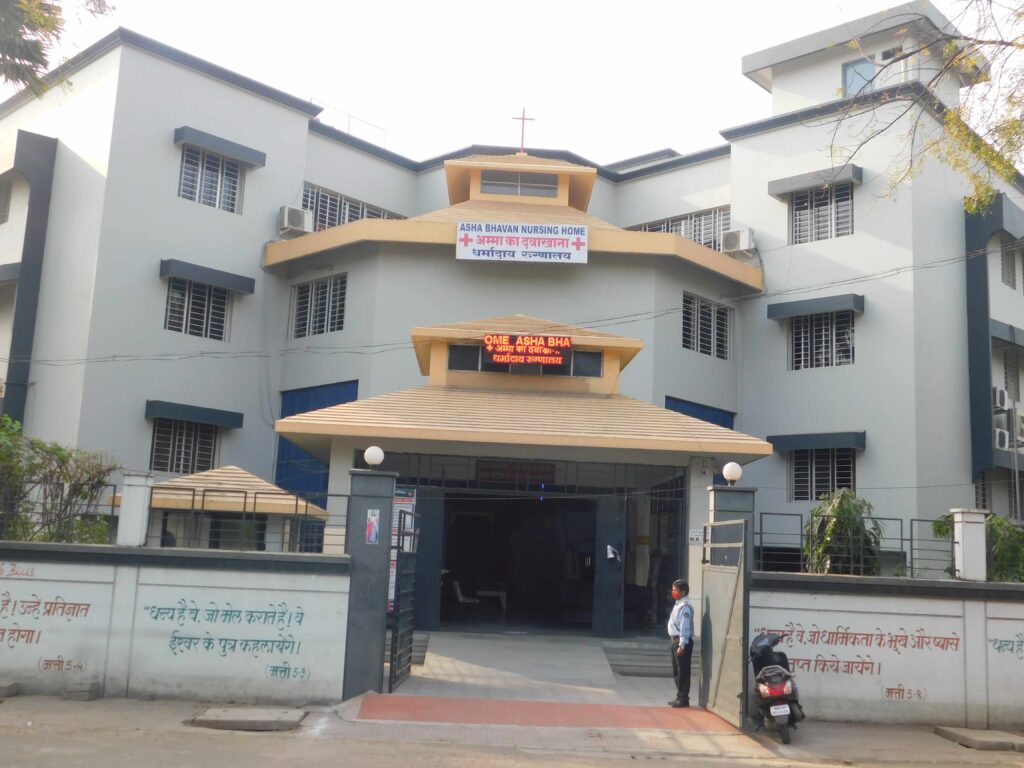
Asha Bhavan Nursing Home, affectionately called “Amma Ka Dawakhana,” is a charitable healthcare facility managed by the Society of Nagpur Houses of Mary Immaculate. This Society is a registered entity under the Societies Registration Act of 1860 and also functions as a registered Trust under the Bombay Public Trust Act of 1950.
Foundation and Early Growth
In 1894, a small dispensary was established in Tulsibagh, Nagpur, to serve the local population due to the lack of medical facilities.
Initially functioning as a dispensary, it later expanded to include a maternity ward in 1953, which accommodated 12 to 15 beds. In 1968, to better serve patients, the facility was relocated to Siraspeth.
Expansion and Development
With the rising demand for medical care, the Nursing Home underwent reconstruction in 2003. This development included the construction of an operation theatre and an increase in bed capacity to 20. These enhancements were made to ensure high-quality healthcare services for patients.
Our Values And Principle
Vision
Mission
Objectives
Why Choose Us?
Comprehensive, Affordable, and Expert Care in Obstetrics and Gynecology
With 17 years of professional experience, we provide expert care in Obstetrics and Gynecology, offering affordable treatments and a compassionate approach to your health and well-being.
- Expertise and Experience
- Accurate Diagnosis
- Affordable Treatment
- Holistic Approach
Our Services
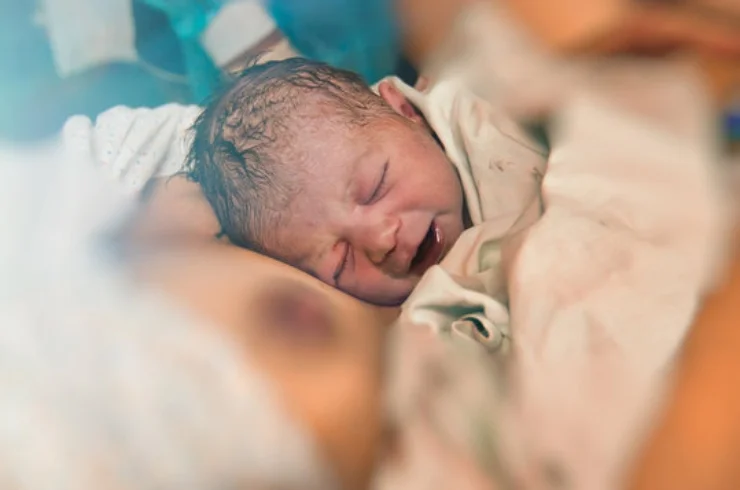
Normal delivery, also known as vaginal birth, is the natural process where a baby is born through the mother’s birth canal without surgical intervention, involving contractions and pushing during labor.
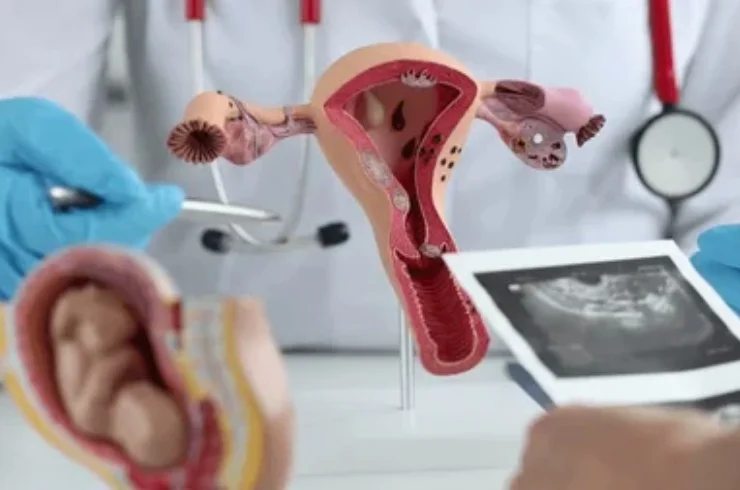
Infertility treatment encompasses various medical interventions to assist individuals or couples in conceiving. Options include medications, intrauterine insemination (IUI), in-vitro fertilization (IVF), egg/sperm donation, and surrogacy, tailored to specific causes of infertility.
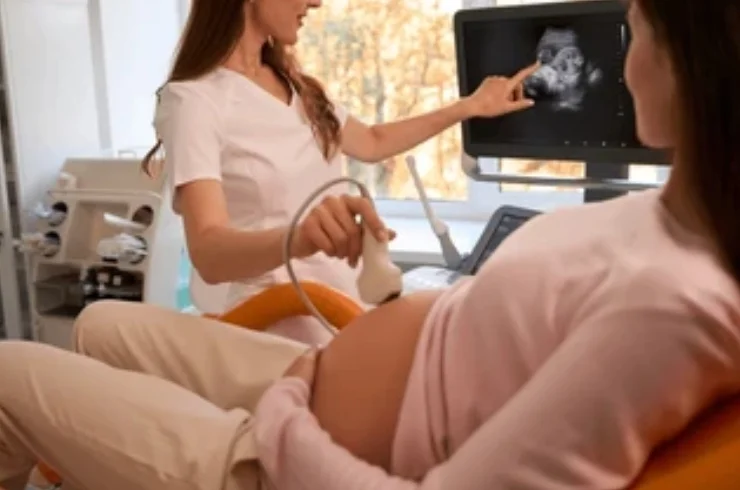
Sonography, or ultrasound, is a diagnostic imaging technique that uses high-frequency sound waves to create visual images of internal organs, tissues, and developing fetuses, helping in the diagnosis and monitoring of various conditions.
FAQ'S
Asha Bhavan Nursing Home, lovingly called “Amma Ka Dawakhana” (Mother’s Clinic), is a charitable healthcare center in Nagpur. It is run by the Society of Nagpur Houses of Mary Immaculate, which is registered under the Societies Registration Act of 1860 and the Bombay Public Trust Act of 1950.
Address: House No. 789/A, Opposite Lokanchi Shala, Siraspeth, Nagpur, Maharashtra – 440024
The nursing home started as a small dispensary in 1894 in Tulsibagh, Nagpur. It later became a maternity ward in 1953 and was moved to Siraspeth in 1968. The facility was expanded in 2003 with an operation theatre and 20 beds.
Vision: To promote the sacredness of life through skilled and quality healthcare.
Mission: To serve God by serving humanity.
Objectives: To provide prenatal and postnatal care for women to safeguard the sacredness of human life.
The nursing home specializes in Obstetrics and Gynecology and offers a wide range of services for women’s health and family care.
Main Services:
- Normal Delivery
- Infertility Treatment
- Hysterectomy (surgical removal of the uterus)
- Immunization Centre
- Phototherapy (light therapy for newborns)
- Pathology (laboratory tests)
- ECG (heart tests)
- Sonography (ultrasound imaging)
- Counseling Cell (psychological and emotional support)
Yes, the nursing home provides normal delivery services. Normal delivery, also called vaginal delivery, is the natural process where a baby is born through the mother’s birth canal without surgery. The process happens in three stages:
First Stage – Labor: The cervix (opening of the uterus) gradually opens up to about 10 centimeters. The mother experiences contractions (tightening of the uterus) that help the baby move down. This stage can take several hours.
Second Stage – Delivery: Once the cervix is fully open, the mother pushes with each contraction to help the baby come out. The baby usually comes out head-first. This stage can last from a few minutes to several hours.
Third Stage – Placenta Delivery: After the baby is born, the placenta (the organ that provided food to the baby during pregnancy) comes out.
Normal delivery allows for faster recovery compared to cesarean surgery and enables immediate skin-to-skin contact with the baby. However, sometimes medical help like episiotomy (a small cut) or forceps may be needed for safe delivery.
The nursing home offers various infertility treatments to help couples who are having difficulty conceiving naturally. The treatments include:
Fertility Medications:
- Clomiphene Citrate (Clomid): Helps women who don’t ovulate regularly to produce eggs
- Gonadotropins: Hormone injections to help ovaries produce multiple eggs
- Metformin: For women with PCOS (Polycystic Ovary Syndrome) to improve ovulation
Intrauterine Insemination (IUI): Sperm is placed directly into the woman’s uterus during ovulation time. This is used when sperm count is low or for unexplained infertility.
In Vitro Fertilization (IVF): Eggs are taken from the woman’s ovaries and fertilized with sperm in a laboratory. The healthy embryos are then placed in the uterus.
ICSI (Intracytoplasmic Sperm Injection): A single sperm is injected directly into an egg. This is helpful when there are male fertility issues.
Egg/Sperm Donation: If the couple cannot produce their own eggs or sperm, donor eggs or sperm can be used.
Surrogacy: When a woman cannot carry a pregnancy, another woman (surrogate) carries the baby for them.
Surgical Procedures: Surgery may be done to fix problems like endometriosis, fibroids, or blocked tubes that prevent pregnancy.
The nursing home also provides emotional support and counseling, as infertility treatment can be stressful. The treatment is tailored to each couple’s specific needs and medical condition.
Sonography, also called ultrasound imaging, is a safe medical test that uses high-frequency sound waves (not radiation) to create pictures of the inside of your body. Here’s how it works:
A device called a transducer is moved over your skin. It sends out sound waves that bounce back from your organs and tissues. These echoes are turned into images that appear on a screen, which doctors can study.
Common uses of sonography:
- During pregnancy: To see the baby, check the baby’s heartbeat, estimate the due date, and detect any problems
- Examining organs: Heart, liver, kidneys, gallbladder, reproductive organs, and muscles
- Diagnosing conditions: Gallstones, liver disease, kidney stones, and certain cancers
- Guiding procedures: Helps doctors perform biopsies and injections accurately
Benefits:
- Safe (no radiation)
- Painless and non-invasive
- Provides real-time images
- Can show both structure and function of organs
Sonography is one of the most commonly used imaging tests because it is safe for everyone, including pregnant women and babies.
Yes, Asha Bhavan has a dedicated immunization center that provides vaccinations to protect against infectious diseases. The center serves people of all ages, from newborn babies to adults.
Services provided:
- Routine vaccinations for children: Vaccines for measles, polio, diphtheria, tetanus, whooping cough, hepatitis B, and many others as per the recommended schedule
- Travel vaccines: For people traveling abroad – yellow fever, typhoid, malaria, Japanese encephalitis, etc.
- Seasonal flu vaccines: Especially for elderly people, pregnant women, children, and those with weak immune systems
- Adult vaccinations: Including tetanus boosters and other necessary vaccines
Additional services:
- Education about the importance of vaccines
- Maintaining vaccination records
- Addressing concerns or questions about vaccines
- Special vaccination drives during disease outbreaks
The immunization center is staffed by trained healthcare professionals who ensure vaccines are given safely. They also monitor for any side effects or reactions. Regular immunization is important for preventing serious diseases and protecting the whole community through herd immunity.
Phototherapy is a medical treatment that uses special lights to treat health conditions. At Asha Bhavan, it is primarily used for newborn babies.
Main use – Treating Jaundice in Newborns: Jaundice is a common condition where a baby’s skin and eyes turn yellow due to a buildup of bilirubin (a yellow substance) in the blood. Phototherapy helps break down this excess bilirubin so the baby’s body can get rid of it more easily.
How it works:
- The baby is placed under special blue or white lights
- The light changes the bilirubin into a form that can be easily removed from the baby’s body through urine and stool
- The baby may need to stay under the lights for several hours or days
Other uses of phototherapy:
- Skin conditions like psoriasis, eczema, and vitiligo (using UV light)
- Seasonal depression (SAD – using bright light therapy)
- Sleep disorders (to reset the body’s sleep cycle)
Safety: Phototherapy is generally very safe when done under medical supervision. For babies, the eyes are protected, and they are monitored carefully to prevent any side effects like skin damage or overheating.
The pathology department at Asha Bhavan offers comprehensive laboratory testing services. Pathology is the medical field that studies diseases by examining body tissues, fluids, and organs.
Types of tests available:
Blood Tests:
- Complete blood count (CBC)
- Blood sugar levels
- Cholesterol and lipid profile
- Liver and kidney function tests
- Thyroid tests
- Hormone tests
Urine Tests:
- Routine urine analysis
- Pregnancy tests
- Infection detection
- Kidney function assessment
Tissue Analysis:
- Biopsy examination (tissue samples under microscope)
- Cancer detection
- Diagnosing infections and autoimmune conditions
Body Fluid Analysis:
- Cerebrospinal fluid tests
- Other body fluid examinations
How it works: Samples (blood, urine, or tissue) are collected and carefully examined by Dr. Sanjay Deotale (MBBS, MD Pathology) and the laboratory team. They use microscopes and advanced testing techniques to identify diseases, infections, or abnormalities. These test results help doctors make accurate diagnoses and create the right treatment plans for patients.
The laboratory follows strict quality standards to ensure accurate and reliable results.
Yes, Asha Bhavan has a counseling cell that provides emotional, psychological, and mental health support to patients and their families. It is a safe, confidential, and non-judgmental space where people can seek help.
Services offered:
- One-on-one counseling sessions
- Group therapy sessions
- Stress management support
- Emotional support during medical treatment
- Help dealing with anxiety and depression
- Support for relationship problems
- Grief and trauma counseling
- Self-esteem building
Who can benefit:
- Women dealing with pregnancy-related stress or postpartum depression
- Couples facing infertility challenges
- Patients preparing for or recovering from surgery
- Anyone experiencing emotional or mental health difficulties
- Family members needing support
Important features:
- Confidentiality is maintained – your information is kept private
- No judgment – counselors provide supportive and compassionate care
- Trained professionals (psychologists, counselors, therapists) provide the services
- Focus on overall well-being, not just physical health
The counseling cell recognizes that emotional and mental health are just as important as physical health, especially during medical treatment or difficult life situations.
Hysterectomy is a surgical procedure to remove a woman’s uterus (womb). This is a major surgery performed for various medical reasons.
Types of Hysterectomy:
- Total Hysterectomy: Both the uterus and cervix are removed
- Subtotal (Partial) Hysterectomy: Only the uterus is removed; cervix is left
- Radical Hysterectomy: Uterus, cervix, parts of vagina, and surrounding tissues are removed (usually for cancer)
When is it needed:
- Uterine fibroids (non-cancerous growths causing pain or bleeding)
- Endometriosis (tissue growing outside the uterus)
- Chronic pelvic pain that doesn’t improve with other treatments
- Abnormal or heavy vaginal bleeding
- Cancer of the uterus, cervix, or ovaries
- Uterine prolapse (uterus slipping into the vagina)
Surgical approaches:
- Abdominal: Through a cut in the belly (for larger uterus)
- Vaginal: Through the vagina (less invasive, quicker recovery)
- Laparoscopic: Small cuts with camera and instruments (minimally invasive)
Recovery:
- Hospital stay: 1-2 days
- Full recovery: 6-8 weeks
- Pain management and follow-up care provided
- If ovaries are removed, hormonal changes or menopause may occur
The decision to have a hysterectomy is made after careful discussion between the patient and doctor about benefits and risks.
ECG stands for Electrocardiography (also called EKG). It is a simple, painless test that measures the electrical activity of your heart.
How it works:
- Small sticky pads (electrodes) are placed on your chest, arms, and legs
- These electrodes detect electrical signals from your heart
- The signals are recorded as a graph (electrocardiogram) showing your heart’s activity
- The test takes only a few minutes
What ECG can detect:
- Heart rhythm problems: Whether your heart beats too fast, too slow, or irregularly
- Heart size and position: Information about the heart chambers
- Heart attack: Current or past heart attacks
- Reduced blood flow: Ischemia (not enough blood reaching the heart)
- Arrhythmias: Irregular heartbeats
- Heart muscle problems: Damage or disease
When is ECG done:
- During regular health checkups
- If you have chest pain, shortness of breath, or palpitations
- Before surgery to check heart health
- To monitor heart conditions and treatment effectiveness
- To check how heart medications or pacemakers are working
Benefits:
- Quick test (takes only a few minutes)
- Completely painless
- Non-invasive (no needles or cuts)
- Safe (no radiation)
- Provides immediate results
ECG is one of the most common and important tests for evaluating heart health.
The nursing home has a team of experienced doctors including:
Gynecologists & Obstetricians:
- Dr. Kastoori Prasad (MBBS, DGO)
- Dr. Aruna Patil (MBBS, DGO, MD) – Senior Consultant
- Dr. Vaishali Changole (MBBS, MD) – Senior Surgeon
- Dr. Jyoti Borkar (MBBS, DNB) – Surgeon
Anesthetists:
- Dr. Sunil Sonkusale (MBBS, MD)
- Dr. Smita Kayande (MBBS, DA)
Sonologists:
- Dr. D.M. Patrikar (MBBS, MD)
- Dr. Jitendra Vidhani (MBBS, DMRE)
Pathologist:
- Dr. Sanjay Deotale (MBBS, MD)
Pediatrician:
- Dr. Pravin Lad (MBBS, MD)
Yes, all doctors are highly qualified with many years of professional experience. The nursing home mentions 17 years of professional experience in obstetrics and gynecology.
The nursing home currently has 20 beds for patients.
Yes, the nursing home has a fully equipped operation theatre that was built during the 2003 expansion.
Yes, Asha Bhavan is a charitable healthcare facility. It is known for providing affordable treatment to people who cannot afford high medical expenses.
You can book an appointment by:
- Calling: +91-7122701958
- Emailing: abnursinghome@gmail.com
- Using their online booking system: https://wcts.in/623c
Phone: +91-7122701958
Email: abnursinghome@gmail.com
Address: House No. 789/A, Opp. Lokanchi Shala, Nagpur, Maharashtra-440024
Please contact the nursing home directly at +91-7122701958 for current visiting hours and appointment schedules.
Yes, Asha Bhavan Nursing Home is known for providing affordable treatment. Being a charitable institution, it offers services at very nominal (low) fees, especially for people who cannot afford expensive medical care.
“Amma Ka Dawakhana” means “Mother’s Clinic” in Hindi. This name reflects the nursing home’s caring, motherly approach to patient care and its charitable nature.
The nursing home is managed by the Salesian Missionaries of Mary Immaculate, a religious organization founded in Paris in 1872 by Fr. Henri Chaumont and Madam Carre de Malberg.
The Salesian Missionaries came to India in the late 1800s to serve women and the poor. They started a small dispensary in Tulsibagh, Nagpur in 1894 because there were no medical facilities in the area. Over time, it grew into a maternity ward and eventually the current nursing home.
Asha Bhavan stands out for:
- Over 130 years of service to the community
- Charitable and affordable healthcare
- Comprehensive women’s health services
- Expert and experienced medical team
- Compassionate, patient-centered care
- Focus on the sacredness of human life
The nursing home follows a holistic approach, which means they care for the whole person – physically, emotionally, and spiritually. They emphasize compassion, affordability, and quality care.
Yes, prenatal care (care during pregnancy) is one of their main services. They monitor mother and baby throughout pregnancy to ensure healthy outcomes.
Yes, they provide postnatal care (care after delivery) to ensure both mother and baby remain healthy after birth.
Yes, Dr. Pravin Lad, a consultant pediatrician, provides care for infants, children, and adolescents at the nursing home.
For information about emergency services and 24-hour availability, please contact the nursing home directly at +91-7122701958.
Yes, you can visit their website at: https://ashabhavannursinghome.org/
You can contact them via email at abnursinghome@gmail.com or call +91-7122701958 to share your feedback or concerns.